
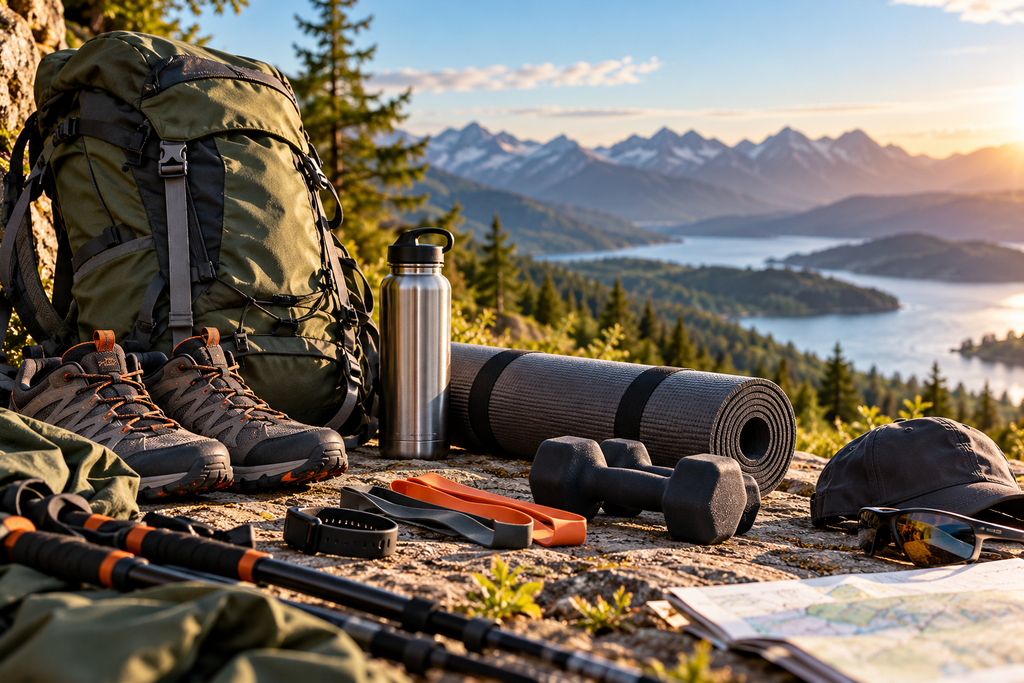
Gear choices are most useful when they begin with the activity, not with a familiar brand or a product trend. Equipment designed for regular walking may prioritize comfort and ease of use, while running gear must handle repeated impact and stay secure as pace increases. Gym and home workouts often call for freedom of movement, grip, and support suited to particular exercises; the demands of lifting differ from those of cycling or floor training. Start by identifying what you will do most often, how frequently you will do it, and what performance problems your current setup creates.
Day hikes and mixed outdoor activities introduce variables that indoor sessions and short walks may not. Uneven trails, loose surfaces, steep climbs, and descents place different demands on traction, stability, and cushioning than pavement. Longer outings make fit and moisture management more important, while changing temperatures, rain, wind, or sun may require adaptable layers. Consider duration as well as terrain: a brief outing may need little beyond essentials, but a full-day route can call for water, food, navigation, first-aid supplies, and a pack that carries them comfortably. For activities that combine walking, travel, and light exercise, versatile gear can reduce what you need to own and pack, though a single item should not be expected to excel in every setting.
Your experience level, comfort preferences, physical needs, and the conditions you commonly encounter should shape the choice. A new exerciser may value forgiving equipment, while an experienced user may have specific needs for pace, load, or terrain. Check fit before features: rubbing, pressure, instability, or restricted movement can undermine performance and discourage regular use. Then weigh function, durability, and safety against cost. Choose adaptable pieces when activities overlap, but make sure they provide suitable support and protection where you will use them.
Good footwear starts with the activity and surface it must support. Walking shoes generally emphasize comfort and steady support over long distances, while gym trainers are designed for lateral movement and quick changes of direction. Running shoes typically provide cushioning and a smooth stride, whereas trail footwear often has tougher construction and grippier tread for uneven ground. Choosing a style based only on appearance can leave feet poorly matched to the demands of movement.
Before buying, try footwear with the socks you expect to wear during the activity. Check that toes can spread and move without touching the front, and that the heel feels secure without slipping. Assess width carefully: shoes should not pinch the sides or let the foot slide excessively. Notice whether the arch feels comfortable and whether any seam, edge, or panel rubs or creates pressure. Walk around, bend, or make a few movements similar to your planned use before deciding. If your feet tend to swell later in the day, try shoes then to better judge fit under typical conditions.
Match the tread, cushioning, flexibility, stability, and traction to where and how you will move. Smooth indoor floors, pavement, and rocky trails place different demands on a sole; a deep, durable pattern can help grip loose ground, while excessive stiffness or cushioning may not suit every workout. Choose support and feel to suit the activity you plan. Follow the maker’s break-in guidance when a design requires it, and increase use gradually if the shoes feel unfamiliar. Replace footwear when soles are heavily worn, cushioning has deteriorated, or discomfort persists; visible damage is not the only reason to stop using a pair. Persistent pain, recurring rubbing, or specific foot concerns warrant advice from a footwear specialist or medical professional, who can help identify a suitable option.
Choose clothing for the demands of the activity, prioritizing breathable, moisture-managing fabrics that move sweat away from the skin and dry quickly. These materials can help regulate comfort during workouts, hikes, and brisk walks. Look for cuts that allow a full range of motion without excess fabric catching or shifting. Flat seams, smooth linings, and well-fitted garments can reduce rubbing in areas such as the underarms, waistband, and inner thighs. Cotton may feel soft in ordinary conditions, but it absorbs moisture and can remain damp during sustained exertion, increasing discomfort and, in cool weather, chill.
Treat layering as a flexible system rather than a fixed outfit. A comfortable base layer sits next to the skin and manages moisture; an insulating midlayer adds warmth when temperatures drop or activity slows. An outer layer can help block wind or rain. Match details to the outing: supportive sports bras and secure waistbands may improve comfort during exercise, while reflective trim or a light makes walkers more visible in low-light settings. For daytime exposure, choose coverage and sun-protective fabric, and add a hat or sunglasses. Gloves, a warm hat, or rainproof footwear can address seasonal needs; prioritize accessories that suit the forecast and activity.
Choose a small bag, belt, or daypack based on what must be carried, not on the largest capacity available. For a short workout, a belt or compact pouch may hold a phone, keys, and identification, while a daypack can suit longer outings with extra layers, food, or first-aid items. Check how the load fits against the body: adjustable straps and stable placement help limit bouncing and pressure. The bag itself should be lightweight, with capacity for water and essentials and accessible pockets for frequently used items. Try it loaded before buying, and remove anything unnecessary to avoid bulk.
Good preparation begins before departure: check the forecast and route conditions, including closures, surface hazards, daylight, and any local advisories. Carry enough water for the expected duration, with a reserve when heat, exertion, or limited refill points make dehydration more likely. Pack essential items suited to the outing rather than relying on a generic checklist. For outdoor travel, this may include navigation tools, a charged phone, a first-aid kit, sun protection, and layers or other weather protection. Choose amounts and equipment according to location, duration, group size, and access to help. When visibility is poor or light is fading, wear bright colors or reflective details, and use a light where appropriate.
Before trusting new equipment on a demanding trip, test it during a short, familiar outing or a low-intensity session. This reveals fit problems, uncomfortable pressure points, confusing adjustments, or limitations that product descriptions may not make obvious. Practice using essential features, such as fitting a pack, operating a headlamp, or checking a navigation device, while conditions are forgiving. Note what works and what needs adjustment, then make changes before increasing distance, pace, or exposure. A gradual trial is especially useful for footwear, layers, and load-bearing equipment, since small discomforts can become significant over time.
Price matters, but compare it with durability, repairability, comfort, and how often an item will be used. A dependable piece that fits well may offer better value than a cheaper option that wears out quickly or remains uncomfortable. Prioritize purchases that directly support safety or comfort, and avoid buying solely because a style is trending. Extend useful life with routine care: clean equipment as directed, dry it thoroughly before storage, inspect seams, fasteners, soles, and straps for damage, and replace worn components promptly. Repairs and sensible maintenance can reduce waste and delay replacement without compromising performance.