
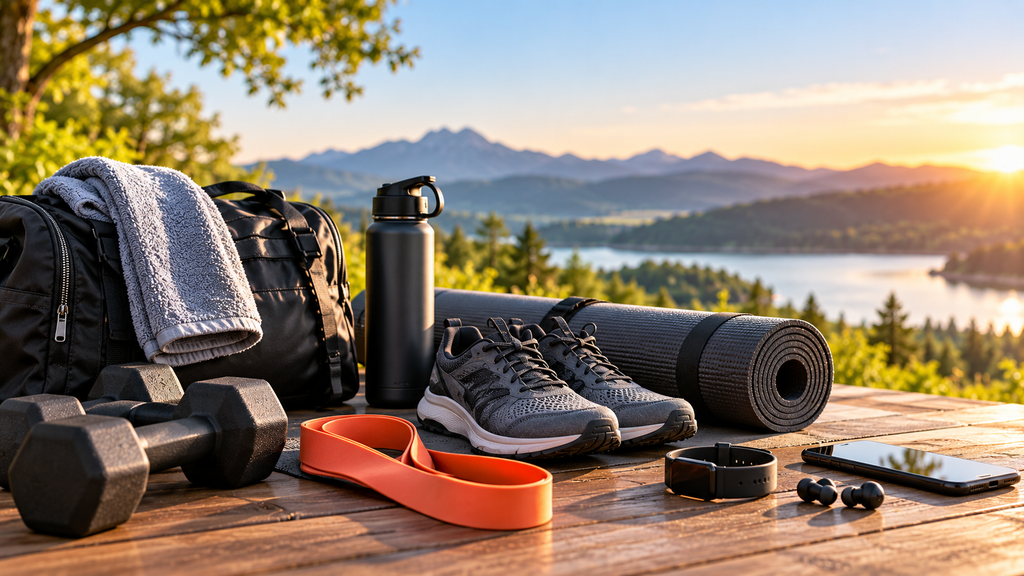
Outdoor workout clothing should respond to three factors: the forecast, the activity, and how hard you expect to work. A brisk run generates more heat than a relaxed walk, while wind, shade, humidity, and changing elevation can alter how conditions feel. Check the weather before leaving, then choose pieces that help regulate temperature without restricting movement. Breathable, moisture-wicking fabrics draw sweat away from the skin and dry more quickly than heavy materials, helping reduce clamminess during sustained exercise. Look for tops and bottoms designed for activity, with seams and waistbands that remain comfortable as you move.
Layering makes outdoor exercise easier when temperatures shift. Start with a light base layer, add an insulating midlayer in cool weather, and carry a thin outer layer if wind or a brief shower is possible. Zippers and easy-to-remove layers let you adjust before overheating or becoming chilled during rest breaks. Choose supportive sportswear that stays in place and permits a full range of motion for your specific activity, from bending and stretching to running or cycling. A comfortable fit is essential: clothing that is too tight can rub or limit movement, while loose pieces may catch on equipment or flap in the wind.
For sunny days, protect exposed skin with a brimmed hat, sunglasses that stay secure, and lightweight clothing that covers arms and shoulders. Apply sunscreen as appropriate, since fabric coverage does not protect every area. In cold conditions, use insulating layers, gloves, and warm socks, and cover extremities when wind increases heat loss. Avoid cotton when sweat, rain, or snow is likely to leave it wet; damp cotton dries slowly and can feel heavy and uncomfortable. However, fabric labels alone do not determine comfort. Test garments during similar movement, consider seams and personal sensitivities, and choose what feels good across the expected workout. Adjust clothing to your own temperature needs rather than following a rigid formula.
Choosing outdoor footwear starts with the demands of the activity and route rather than appearance or a general idea of “athletic” shoes. Pavement places repeated impact on a firm surface, so some people prefer cushioning that feels comfortable for their pace and distance. Packed trails may call for a tread that grips loose soil without feeling awkward on harder ground. Grass can be slippery when wet, while uneven paths require dependable traction and a stable platform. Match footwear to both the movements involved and the conditions you expect; no single shoe style works best for every person or outing.
A secure fit helps limit sliding inside the shoe, which can contribute to blisters and reduce confidence during turns or changes in pace. There should be enough room for toes to move naturally, without the heel lifting excessively. Adequate cushioning may make repetitive steps more comfortable, but the right amount depends on personal preference, body, activity, and terrain. Support should feel appropriate rather than restrictive, and tread should offer grip suited to the surface; overly worn soles can lose traction and stability. Inspect the outsole, midsole, and upper regularly, especially if you train often outdoors or use one pair for several activities.
Socks also affect comfort. Choose a pair that fits smoothly and helps manage moisture, since damp fabric and prominent seams may increase rubbing. Test socks with the footwear you plan to wear, because thickness can change the fit. When buying new shoes, start with short, easy sessions before trying a demanding workout. A gradual break-in lets you notice pressure points early; it is not a reason to continue wearing shoes that cause pain. Replace footwear when cushioning feels compressed, the tread is visibly worn, or the fit no longer feels secure. If discomfort recurs, or you have a specific foot condition or support need, consult a qualified professional for individualized guidance.
Practical carry kit can support comfort without adding unnecessary weight. Bring water in a bottle or hydration pack selected for the route and duration. A bottle may suit a short workout when refills are easy to reach, while a pack can be convenient for longer outings or activities where hands need to stay free. Drink in response to thirst, exertion, and conditions, and plan for regular water access rather than carrying more than you can comfortably manage. Heat, humidity, and longer sessions call for extra attention: consider shade breaks, nearby refills, and adjusting pace or duration. Personal fluid requirements vary.
For extended or vigorous workouts, pack a small, familiar snack that is easy to carry and eat, such as a banana, dried fruit, or an energy bar. Choose something you know sits well, and consider when you will need it based on session length and effort. A few compact comfort items can also make a difference: sunscreen for exposed skin, a small towel to wipe away sweat, and tissues for routine needs. If new shoes or a longer route could cause rubbing, include blister care such as adhesive bandages or blister pads. Keep items together in a lightweight pouch so they are easy to find.
A thin layer can help when temperatures change, wind picks up, or you expect to cool down after finishing. Select clothing that packs small and will not restrict movement. Before setting out, check where you can refill water, use a bathroom, and find shade or shelter along the route. These practical details may matter more than carrying extra equipment, particularly for a short workout near home. Tailor the kit to the weather, activity, duration, and your own health needs; not every item is necessary every time. A brief check before leaving can keep essentials accessible while allowing you to move comfortably.
Before leaving, check the forecast for temperature, wind, rain, and sudden changes that may affect comfort or footing. Check local air quality guidance as well, especially if smoke, pollution, or high pollen could aggravate breathing. Consider daylight hours and sunset time so the route remains visible throughout the session. Conditions can shift quickly; a short check before departure helps you choose suitable clothing, water, and a realistic plan rather than discovering a problem outdoors.
Choose a route that matches your current fitness, experience, and the day’s conditions. For a new activity, prefer familiar, well-maintained paths with dependable surfaces, water access, and places to stop. Reduce distance or intensity when footing is wet, loose, steep, or otherwise uncertain. In severe heat, move exercise to a cooler time or indoors; postpone during thunderstorms, dangerously high temperatures, poor air quality, or terrain made unsafe by flooding or ice. No workout is worth risking heat illness, a fall, or breathing trouble.
For low-light outings, wear reflective clothing or a light so drivers and other path users can see you; add a headlamp when the route is dark. Carry a fully charged phone, and keep it accessible for navigation or emergencies. On remote routes, tell someone where you plan to go, when you expect to return, and what to do if you are overdue. If possible, check cellular coverage and download map details before departure. Stay on marked paths and turn back if conditions or energy levels change.
After exercise, cool down with a few minutes of easy walking and gentle movement rather than stopping abruptly. Change out of damp clothing promptly to stay comfortable and reduce chafing, particularly when the weather is cool. Rehydrate with water, taking additional fluids if the session was long or conditions were hot. Check your feet and skin for irritation, hot spots, or blisters, and address minor problems before they worsen. These simple recovery steps can ease discomfort and make the next outdoor workout easier to enjoy.