
Many everyday routines encourage people to remain seated longer than they realize. Desk work can keep attention fixed on a screen for hours, while commuting often involves sitting in a car, bus, or train. After work, streaming, gaming, and scrolling add more screen time, sometimes leaving little natural opportunity to change position. These habits are common and do not necessarily indicate a lack of motivation; they reflect how work, transport, and leisure are organized. Still, long uninterrupted periods of sitting can make a day feel physically static, even for people who exercise at other times.
Staying active through the day can start with modest, deliberate interruptions to those familiar patterns. A brief walk to refill water, standing during a phone call, or stretching between tasks creates a change of posture without requiring special training or a block of free time. Short bouts of movement can be repeated around existing commitments, making them easier to maintain than an ambitious routine that feels difficult to fit. The goal is not to turn every pause into exercise, but to add variety and reduce the number of hours spent still.
Products can make these small changes easier to remember or carry out. A timer may prompt a standing break; a comfortable pair of walking shoes can make a short errand more appealing; an adjustable desk or supportive footrest can offer options for changing position. Simple items such as a stretch strap or resistance band may help someone move in a limited space, provided they suit their needs. These products are supports, not substitutes for movement itself, and none is essential. The most useful choice is one that fits a person’s schedule, physical abilities, available space, and budget. A practical prompt that gets used regularly is generally more helpful than specialized equipment that remains unused.
An adjustable sit-stand desk or desk converter can make it easier to alternate between sitting and standing during computer work. A full desk may suit a dedicated workspace, while a converter can be placed on an existing table and stored when needed. Look for a broad height range that lets the screen and keyboard sit comfortably for the user, plus a stable frame that does not wobble when raised. These products support position changes; they do not guarantee good posture or replace breaks. Standing for long periods can also cause fatigue, so the goal is to vary positions rather than remain upright all day.
An anti-fatigue mat can soften the feel of a hard floor and provide a more comfortable surface for short standing intervals. Choose one that lies flat, stays in place, and leaves enough room to move the feet safely; a thick or unstable mat may create a trip hazard. It can reduce discomfort for some users, but it cannot offset prolonged standing or correct an unsuitable desk setup. Compact under-desk pedal exercisers can add gentle leg movement while seated, particularly where a walk is not practical. Before buying, check clearance under the desk, pedal height, resistance settings, and whether the unit stays steady. Some models make noise or shift during use, which may distract others or interfere with typing. They are not a substitute for walking, strength training, or advice from a clinician when exercise restrictions apply.
Consistency can be easier when movement is built into the day. Set a timer to change positions every 30 to 60 minutes, or link a stretch break to a task, such as finishing a meeting. Stand, sit, pedal gently, or walk for minutes, adjusting the interval to comfort and work demands. If discomfort persists, stop and reassess the setup.
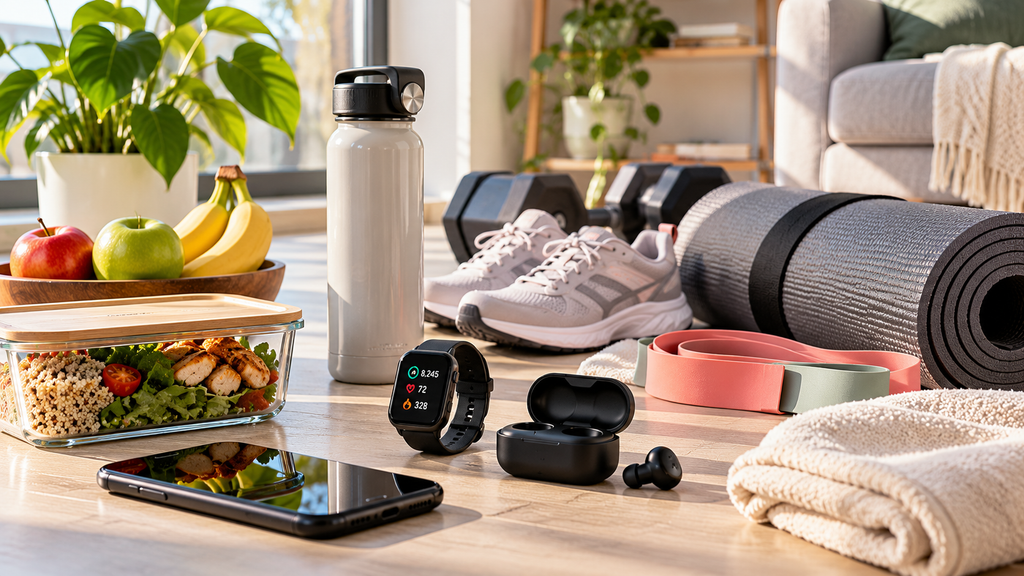
Fitness trackers and smartwatches can make movement easier to notice during a desk-heavy day. Step counts offer a simple picture of walking across the day, while activity-minute totals can show whether brief bouts are adding up. Many devices also allow users to set gentle movement reminders, prompting a short walk or stretch after a long period of sitting. These cues can help turn an intention into a practical pause without requiring a formal workout.
Such measurements are estimates, not complete assessments of health or effort. Wrist position, device settings, walking style, and other factors may affect readings, so numbers can differ from one device to another. They are most useful as broad feedback for noticing patterns, rather than targets that must be met. If reminders feel disruptive or activity scores create pressure, users can adjust or disable them and choose a pace that feels appropriate.
Comfortable walking shoes are another practical aid, particularly for brief walks around an office, neighborhood, or airport. A supportive, well-fitting pair kept near the desk or packed for travel can remove a small barrier to moving. For short strength breaks, resistance bands take little space and can be used for gentle rows, leg exercises, or shoulder work, with tension adjusted to the user’s comfort and ability.
Lightweight mobility accessories, such as a compact stretch strap or massage ball, may support simple flexibility routines or relaxed movement between tasks. Choose equipment that is easy to store and simple to use; complicated setups are less likely to fit into a busy schedule. A band can stay in a drawer, shoes by the door, and a strap in a travel bag. Together, these items make a few minutes of walking, light strengthening, or mobility more convenient at home, at work, or away. The aim is to support movement.
Start by noticing when and where you would like to move more. Is the goal to take walking breaks during a workday, reach for items without stretching, or make time more active? Consider the settings where movement feels easiest, whether at home, in an office, or outdoors. Then identify one barrier: discomfort, limited space, lack of time, or difficulty remembering to pause. Choosing a product to address that obstacle is more useful than buying something because it is popular.
Next, match the item to your existing routine and budget. An option that is easy to keep nearby may offer better value than a feature-rich product that requires setup or extra space. Compare price, comfort, durability, storage needs, adjustability, and maintenance. Check whether materials feel suitable for frequent use, whether parts can be cleaned or replaced, and how much room the product needs when not in use. For adjustable equipment, make sure its range suits the people who will use it.
Before purchasing, check the product dimensions against the space available, including clearance needed while using it. Review return policies, warranty details, and assembly requirements; photos alone may not show scale or storage demands. If possible, try a similar item in a store, community space, or through a loan. For simple choices such as a water bottle or supportive shoes, consider whether they are comfortable and convenient for the activities you actually do.
Introduce one change at a time, then use the product for a few weeks before deciding whether it helps. Notice whether it makes movement more comfortable, convenient, or regular, and adjust your choice if it adds friction instead. A product left unused is unlikely to support a habit. No single purchase is essential; consistent, manageable movement and choices suited to your needs matter.